Flash IT + Devops: Move fast and stay secure.
In today’s tech-driven world, companies are under pressure to move fast, stay secure, and keep their systems running smoothly 24/7. That’s no small feat. Between managing infrastructure, deploying applications, patching systems, and keeping up with compliance—it can feel overwhelming.
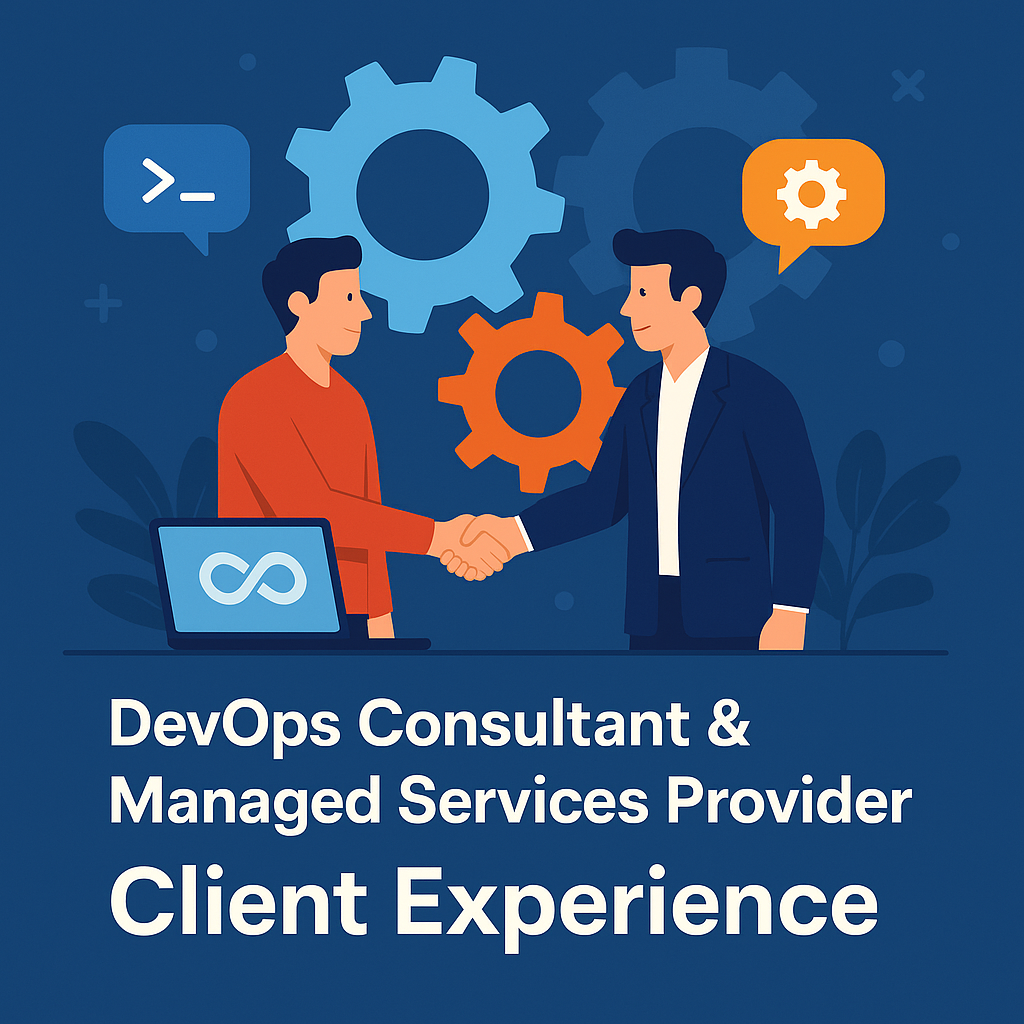
That’s where the partnership between DevOps consultants and Managed Services Providers (MSPs) comes in. When these two groups work hand-in-hand, clients get the best of both worlds: innovation with stability, agility with reliability, and growth with control. Let’s break down how this collaboration works, why it’s valuable, and who should really consider it.
What Each Brings to the Table
DevOps consultants specialize in bridging the gap between development and operations. They bring in automation, CI/CD pipelines, cloud-native practices, and cultural shifts that help organizations release software faster and with fewer hiccups. Think of them as the architects and coaches who help you transform how your teams build and deliver technology.
Managed Services Providers (MSPs), on the other hand, are focused on the ongoing management, monitoring, and support of IT environments. They make sure systems stay secure, patched, backed up, and optimized. They’re your 24/7 guardians, keeping the lights on and the wheels turning.
On their own, each is powerful. But together? That’s where the magic happens.
How They Work Hand in Hand
Here’s what a typical collaboration looks like:
- Seamless Handoffs: A DevOps consultant might design and implement a slick new cloud infrastructure with automation built in. Once it’s stable, the MSP takes over daily monitoring and maintenance, ensuring uptime and handling support tickets.
- Continuous Improvement: The consultant doesn’t just disappear. They often work alongside the MSP to tweak, optimize, and introduce new automation as the business evolves.
- Shared Knowledge: Instead of reinventing the wheel, the MSP gets access to DevOps best practices, while the consultant learns the day-to-day realities of system support from the MSP. This cross-pollination directly benefits the client.
- Scalability on Demand: Need to scale during a seasonal spike? The consultant designs the automation for scale, while the MSP ensures the infrastructure can handle the load and provides round-the-clock coverage.
The result: businesses get both innovation and operational excellence without having to overextend their internal teams.
Benefits of This Collaboration
When DevOps consultants and MSPs work together, clients see real, tangible benefits:
- Faster Innovation Without Risk
Businesses can roll out new features and tools quickly without worrying about breaking production systems. The consultant ensures deployments are efficient, while the MSP catches any fires before they spread. - Better Reliability and Uptime
No one wants to get that 3 a.m. “system down†alert. MSPs keep eyes on systems constantly, while consultants ensure the underlying architecture is robust enough to minimize downtime. - Cost Efficiency
Instead of hiring a big in-house IT and DevOps team, companies can tap into specialized expertise only when they need it. This “fractional†model means paying for the right skills at the right time. - Focus on Core Business
The client’s teams can stop firefighting IT issues and focus on what they do best—building products, serving customers, and growing the business. - Future-Proofing
With both proactive consultants and reactive MSPs in play, businesses stay ahead of industry shifts—whether that’s adopting containers, moving to multi-cloud, or preparing for compliance audits.
Who Needs This Kind of Partnership?
Not every company needs both a DevOps consultant and an MSP, but plenty do. Here are some common scenarios:
- Growing Startups that don’t yet have in-house DevOps or IT support but need enterprise-level reliability.
- Mid-Sized Businesses that want to scale but don’t want to bloat their internal IT payroll.
- Enterprises facing digital transformation projects who need both strategic consulting and steady support.
- Regulated Industries (finance, healthcare, government contractors) where compliance and uptime aren’t optional.
If your company is trying to grow fast while staying secure and reliable, this partnership could be the sweet spot.
Why Use a Partnered DevOps Consultant Instead of Your Own?
This is a question many companies ask: why not just hire your own DevOps consultant or engineer? On the surface, it might seem easier. But here’s why using a consultant who partners with your MSP is often the smarter move:
- Alignment
A DevOps consultant partnered with your MSP already speaks the same language as the support team. There’s no finger-pointing between external consultants and the MSP when something goes wrong—it’s a unified team effort. - Speed of Execution
Since the consultant and MSP have worked together before, they can move faster. They know each other’s workflows, tools, and escalation paths, so clients don’t waste time bridging gaps. - Shared Responsibility
When you hire an external consultant independently, they may step away once the project ends. With a partnered consultant, they remain embedded in the ecosystem, accountable alongside the MSP. - Lower Learning Curve
Your internal DevOps hire would need months to learn your systems and processes. A partnered consultant comes in with a playbook already tailored to your MSP’s methods, cutting down onboarding time. - Scalability of Skills
Partnered consultants bring not just their own expertise, but also the collective brainpower of their consulting firm and the MSP team. That’s a lot more depth than one internal hire can provide.
Wrapping It Up
At the end of the day, DevOps consultants and Managed Services Providers aren’t competing—they’re complementary. Consultants design the race car; MSPs keep it tuned and fueled. When they work together, clients get the speed of innovation with the confidence of ongoing support.
For companies that want to stay lean, agile, and resilient without stretching their teams thin, this collaboration is the best of both worlds. And choosing a DevOps consultant who already partners with your MSP? That’s like hiring a pit crew that already knows your car inside and out—it’s smoother, faster, and ultimately way more effective.
Flash IT teams up with OSOLabs.com, an Orange County, California based software development and devops consulting firm, with over 25 years experience. We provide to our customers, over 25 years of collaboration experience with this firm, so that our customers can benefit from a superior IT experience.